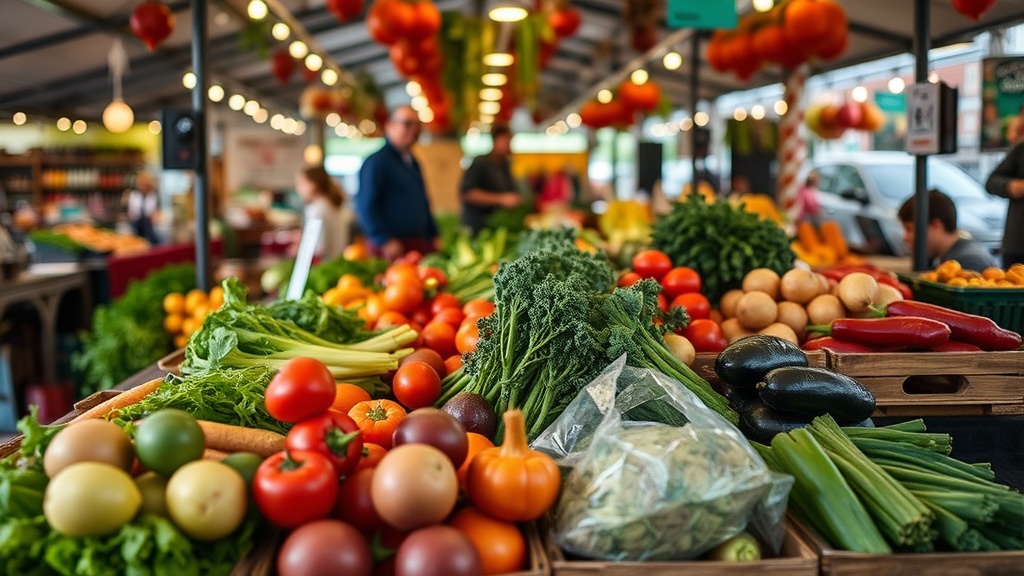
Finding the Best Seasonal Produce at the St. Catharines Farmers' Market

A shopper stands before a display of strawberries in late May, only to find them soft, pale, and lacking any real sweetness. They head to the grocery store instead, grabbing a plastic clamshell of berries that were picked weeks ago and shipped across the continent. This is the difference between buying "produce" and buying "seasonal produce." This guide shows you how to time your visits to the St. Catharines Farmers' Market to ensure you get the best-tasting, most nutritious food available in the Niagara Region.
The St. Catharines Farmers' Market isn't just a place to grab a snack. It's a rotating menu dictated by the weather and the soil of Southern Ontario. If you show up looking for corn in April, you're going to be disappointed. If you show up for peaches in August, you're in for a treat. Knowing the rhythm of the seasons is the only way to shop effectively here.
What is the Best Time of Year to Visit the Market?
The best time to visit depends entirely on what you want to eat, but the peak season for variety runs from late spring through autumn. In the Niagara region, the "Green Season" starts in late May with leafy greens and berries, hits a high point in mid-summer with stone fruits and corn, and tapers off in the fall with hearty root vegetables and squash.
Spring is often a bit lean. You'll see more artisanal breads, honey, and prepared foods rather than heavy vegetable harvests. However, as soon as the ground warms up, the local farms start delivering. I've found that the transition from May to June is when the energy really picks up. This is when the first strawberries arrive—and they are leagues better than anything you'll find in a standard supermarket.
Summer is the heavy hitter. If you want the best corn, tomatoes, and peaches, you need to be there between July and August. This is the window where the local agricultural output is at its highest. It’s also when the market feels most alive. You'll see more people, more vibrant colors, and a much wider selection of heirloom varieties.
Fall is for the slow burners. When the heat breaks, you'll find an abundance of pumpkins, squash, and hardier vegetables like carrots and beets. It’s a great time to stock up on things that have a longer shelf life. If you're looking for something to make a hearty stew, autumn is your target.
Seasonal Availability Cheat Sheet
I've put together a quick reference list so you don't have to guess what's actually in season. It's helpful to check this before you head out of the house.
- Late May to June: Strawberries, radishes, spinach, and early spring greens.
- July to August: Sweet corn, heirloom tomatoes, peaches, blueberries, and cucumbers.
- September to October: Apples, pumpkins, squash, potatoes, and hearty greens.
- Year-Round (Often via specialized vendors): Honey, maple products, and preserved goods.
How Much Does Organic Produce Cost at the Market?
Organic produce at the St. Catharines Farmers' Market typically costs a premium compared to discount grocery stores, but it is often more affordable than high-end specialty grocers when you buy in bulk. Prices fluctuate based on the current harvest and the specific farm's overhead. For instance, a pint of blueberries might be $5 one week and $7 the next depending on the yield.
It's a common misconception that the market is always more expensive. While a single organic bunch of kale might cost more than a generic bag at a big-box store, the quality and flavor profile are different. You aren't just paying for the food; you're paying for the freshness and the direct support of the Niagara-based farmer. Most vendors are happy to explain their growing methods, too.
One thing to keep in mind is that buying "seconds" or slightly "imperfect" produce can save you a lot of money. Many farmers sell slightly bruised or oddly shaped vegetables at a discount. These are perfect for soups, sauces, or baking. It's a great way to reduce food waste and keep your grocery bill down.
| Produce Type | Typical Price Range (Per Unit) | Best Buying Tip |
|---|---|---|
| Berries (Strawberries/Blueberries) | $4.00 - $6.00 | Buy when they are deep in color; avoid mushy ones. |
| Leafy Greens | $3.00 - $5.00 | Look for vibrant color and no wilting. |
| Stone Fruit (Peaches/Plums) | $5.00 - $8.00 (Basket) | Buy slightly firm to ripen on your counter. |
| Root Vegetables (Carrots/Potatoes) | $2.00 - $4.00 (Bunch/Bag) | Great for bulk buying during fall harvests. |
If you want to learn more about the nutritional standards of organic farming, the Government of Canada organic standards provide a lot of context on what you are actually paying for. It's not just a label; it's a set of rigorous guidelines.
Where Can I Find the Best Local Goods?
The best local goods are usually found at the stalls that focus on single-crop excellence or those that have been around the block a few times. While the variety is great, the vendors who specialize in one thing—like a specific type of heirloom tomato or a specific orchard's apples—often have the highest quality.
Don't be afraid to talk to the vendors. Most of them are incredibly proud of what they grow. If you ask, "What's looking best today?" or "What's the best thing to make with this?", you'll get a much better result than just picking up the first thing you see. They are the real experts on their own stock.
For example, if you're looking for high-quality honey or maple products, look for the vendors who specialize in those areas rather than the generalist stalls. The nuance in flavor is often significant. This is also a great way to discover niche products like artisanal cheeses or local sourdoughs that you won't find anywhere else in the city.
If you're out exploring the area and want to pair your market haul with a nice atmosphere, you might enjoy cozy spots for a slow afternoon in St. Catharines once you've finished your shopping. It's a great way to enjoy the fruits of your labor.
The market is a living, breathing entity. It changes every single week. One week you might find a vendor selling incredible ramps (wild leeks), and the next, you're looking at heavy squash-focused stalls. The key is to stay observant. Don't just walk through the aisles; interact with the environment. It's the only way to truly master the art of the seasonal shop.
One thing I've learned: always bring your own bags. Not only is it better for the environment, but it makes the process much smoother. Carrying heavy bags of potatoes or corn in a flimsy plastic bag is a recipe for a mess. Most vendors appreciate the effort to be sustainable. It's a small gesture that goes a long way in a community-focused space like this.
The St. Catharines Farmers' Market is a staple for a reason. It connects us to the land and the people who work it. Whether you're a seasoned pro or a first-timer, the effort you put into learning the seasonal rhythms will pay off in your kitchen. The flavor of a peach picked at its peak is something a grocery store simply cannot replicate.
Steps
- 1
Arrive Early for the Best Selection
- 2
Ask Growers About Seasonal Ripeness
- 3
Bring Reusable Bags and Small Change
- 4
Check for Weekly Special Offers