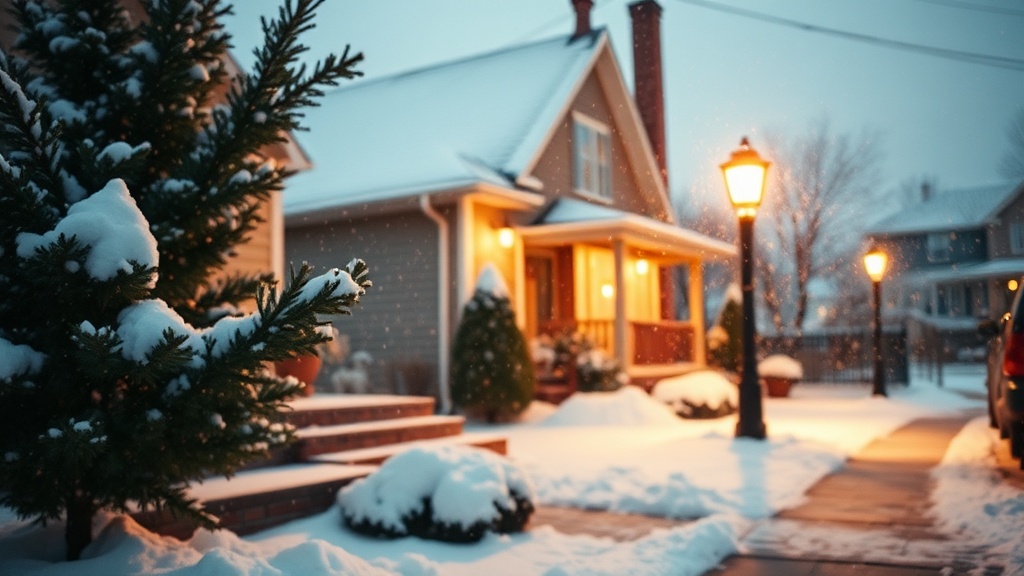
Getting Your St. Catharines Property Ready for Winter

Nearly 30% of residential energy costs in Ontario are spent solely on heating during the coldest months. In a city like St. Catharines, where the lake-effect snow can settle in heavy and stay long after the initial storm, preparing your home for the winter season is a matter of both comfort and cost. This guide covers the practical steps we can all take to protect our properties from the harsh Niagara winters, focusing on everything from insulation to drainage around your St. Catharines home.
How can I prevent frozen pipes in St. Catharines?
One of the most common issues we see when the temperature drops in St. Catharines is frozen plumbing. If you live in an older neighbourhood like Facer or near the downtown core, your pipes might be more exposed to the elements. To prevent a disaster, you'll want to insulate any exposed pipes in unheated areas like your basement or garage. If a pipe is near a window or an exterior wall, a simple piece of foam insulation can make a huge difference.
Another trick is to keep your faucets dripping slightly during those deep freezes we get in mid-January. This keeps water moving, which prevents the freezing process. If you're worried about your outdoor spigots, make sure to shut off the interior valve and drain the line. Leaving a hose connected to an outdoor tap is a mistake many of us have made—it's a direct path for water to freeze and crack your pipes. For more information on local weather patterns and how they affect our infrastructure, you can check the Environment Canada reports for the Niagara region.
What should I do about snow and ice on my driveway?
Dealing with the snow in St. Catharines isn't just about the physical work; it's about doing it safely. We've all seen the cracks in the pavement after a long winter, and much of that comes from improper salt usage. While it's tempting to dump a heavy layer of salt on your driveway to clear it quickly, too much salt can actually damage your concrete and kill the grass along your property line. Instead, try using sand or a calcium chloride blend that is gentler on the surface.
If you have a large driveway in a neighbourhood like Glenridge, investing in a decent shovel or a small snowblower is a worthy expense. However, keep in mind that the city has specific rules about snow piles. You shouldn't block the sidewalk or create a pile that interferes with the public right-of-way. We want to keep our streets walkable and safe for everyone in the community. If you're unsure about the local bylaws, the City of St. Catharines official website provides detailed guidelines on snow removal and property maintenance.
How can I improve my home's insulation for the winter?
A drafty window can feel like a direct portal to the Arctic during a St. Catharines blizzard. You don't need a full renovation to make a difference; sometimes, small adjustments are enough. Check the caulking around your window frames and doors. If you feel a breeze, it's time for a quick fix. Using heavy curtains can also help trap a layer of warmth near your windows, acting as an extra barrier against the cold.
Don't forget the attic space. If your home is in an older part of St. Catharines, the insulation might have settled over the decades. Adding more insulation to the attic is one of the most effective ways to keep your heat from escaping through the roof. It's a simple task that pays off in lower heating bills and a much more comfortable living space for our families.
Finally, look at your sump pump. If you live in a lower-lying area of St. Catharines, the melting snow and spring thaw can lead to basement flooding. Make sure your sump pump is functional and that your downspouts are directing water far away from your foundation. A well-maintained home is a happy home, especially when the Niagara weather turns unpredictable.