Which St. Catharines Neighbourhood Actually Fits Your Lifestyle?

What Do People Get Wrong About St. Catharines Neighbourhoods?
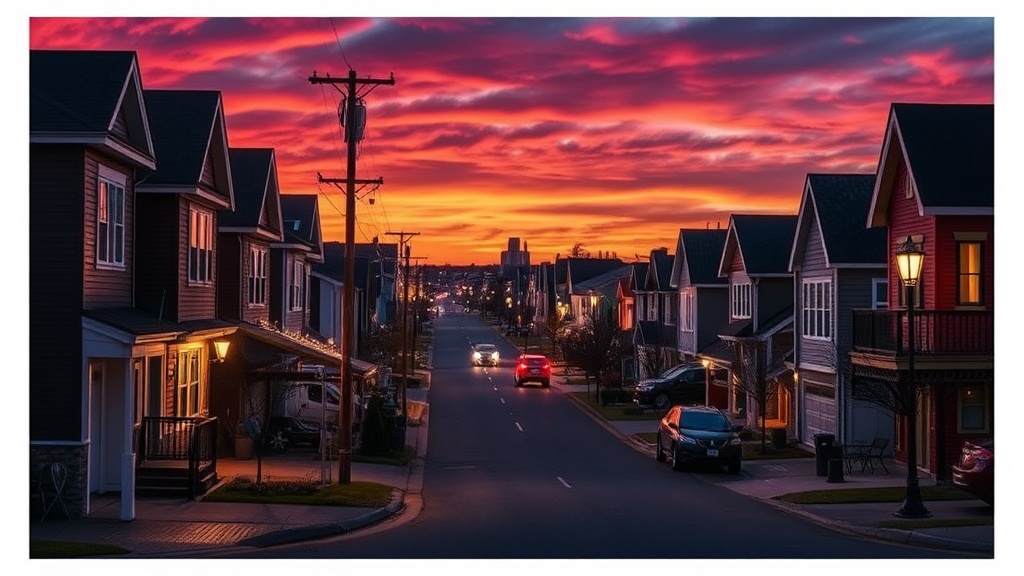
There's this persistent myth that St. Catharines is just one big homogeneous stretch of Niagara suburbia—that you can plop down anywhere and get the same experience. That's flat-out wrong. Our city is a patchwork of distinct communities, each with its own rhythm, character, and practical quirks. Whether you're renting your first apartment or buying a century home, where you land in St. Catharines shapes your daily life far more than most newcomers realize. This isn't about which area has the fanciest houses or the trendiest spots. It's about understanding how these neighbourhoods actually function for the people who live here—where the bus routes run reliably, which streets flood after heavy rain, and where you're likely to bump into neighbours at the grocery store. Let's break down what makes each corner of our city tick.
Where Should Young Professionals and First-Time Renters Look?
Downtown Core and the Hospital District
If you want to walk to work, grab groceries without driving, and actually meet people under forty, the area around St. Paul Street and the nearby hospital corridor deserves serious consideration. This isn't the downtown of ten years ago—there's been steady investment in residential conversions, and the rental stock has expanded beyond the predictable low-rise apartments.
The trade-off? Parking. Street parking downtown operates on a mix of permits and time limits that shift depending on which block you're on. If you're commuting by car, factor in the monthly cost of a dedicated spot. On the flip side, the St. Catharines Transit system runs frequent service through this corridor, and the downtown terminal makes connections straightforward. For cyclists, the link to the Waterfront Trail is genuinely useful—not just a nice-to-have feature for weekend rides but a practical commuting option when the weather cooperates.
Rent here tends to run higher per square foot than the suburbs, but you're paying for walkability. The downtown farmers' market operates year-round on Wednesdays and Saturdays, and while it's smaller than the seasonal markets in Niagara-on-the-Lake, the prices reflect local budgets rather than tourist premiums. You'll also find independent retailers along St. Paul Street that have survived the challenges of the past few years—bookstores, vintage shops, and small grocers that fill gaps the big chains ignore.
Is the Glenridge Area Worth the Premium?
East Side Character and Brock Proximity
Glenridge carries a reputation for being pricey, and that's not entirely unfair. The neighbourhood sits between downtown and the university, and that location commands attention. But there's more nuance here than the price tags suggest.
The housing stock is older—think pre-war bungalows, mid-century splits, and the occasional grand Victorian on a tree-lined street. These aren't cookie-cutter subdivisions; they're houses with original hardwood, quirky floor plans, and maintenance histories that vary wildly. If you're considering buying here, budget for updates. The sewers in parts of Glenridge date back decades, and the mature trees that make the streets so attractive also mean root systems that can interfere with old infrastructure.
For Brock University students and staff, the proximity is obvious. You can bike to campus in ten minutes, and the municipal bus route along Glenridge Avenue runs frequently during academic terms. What gets less attention is how this area functions for families. Glenridge has access to some of the more established schools in the District School Board of Niagara, and the neighbourhood's layout—sidewalks on both sides of the street, slower speed limits, actual front porches—creates conditions where kids can play outside without constant supervision.
The shopping situation is mixed. You're not walking to a major grocery store from most of Glenridge; you'll drive to the Fairview Mall area or down to the grocery clusters on Martindale Road. But what you do have is consistent: reliable snow removal (this matters more than newcomers expect), active community association meetings that actually influence municipal decisions, and neighbours who've been in their homes for twenty-plus years and pay attention to what's happening on the block.
Why Do People Overlook the North End?
Industrial Heritage and Emerging Value
The north end of St. Catharines—roughly north of the QEW, stretching toward Lake Ontario—carries baggage. This was industrial heartland, home to the factories and warehouses that built the city's manufacturing base. Some of those buildings still stand, and the area's working-class roots show in the housing stock and streetscapes. But dismissing the north end as somehow "lesser" misses significant changes happening here.
Housing affordability is the obvious draw. You get more square footage for your money, larger lots, and parking that doesn't require parallel skills. The trade-offs are real: fewer amenities within walking distance, longer transit rides to downtown (the buses run, but not as frequently), and infrastructure that's aging in ways that matter. Some streets still deal with combined sewer overflows during heavy storms, and the tree canopy isn't as established as in older neighbourhoods.
What's changing is the commercial landscape. The industrial buildings that emptied out over the past two decades are being repurposed—some into legitimate residential lofts, others into maker spaces, small-batch manufacturing, and creative studios. The St. Catharines Community Centres serve this area with programming that reflects the demographic mix: seniors' groups, newcomer services, and youth sports leagues that pull from across the north end's diverse population.
If you work in logistics, manufacturing, or trades, the location is practical. You're close to the highway, close to the industrial parks along the lake, and your commute probably runs against traffic. For remote workers, the consideration is different: you'll want reliable internet (available, but verify speeds on specific streets) and a plan for getting out of the house, since coffee shops and coworking spaces are thinner on the ground than downtown or near the university.
What's the Reality of Life in Port Dalhousie?
Lakeside Living and Seasonal Crowds
Port Dalhousie sits apart from the rest of St. Catharines—geographically and culturally. The harbour, the carousel, the beach at Lakeside Park: these are the postcard images people associate with our city. Living here means different things depending on which street you're on.
The immediate lakeside strip—Lakeshore Road, the streets feeding down to the water—gets crowded. Not just summer-crowded, but event-crowded. When the sailing regattas happen, when the waterfront festivals roll through, when the weather hits thirty degrees and everyone in the region remembers there's a beach, your neighbourhood becomes a destination. Residents develop strategies: shopping early on Saturday mornings, knowing which side streets offer escape routes when Lakeshore backs up, accepting that July and August mean sharing your sidewalks with visitors.
Move a few blocks inland and the dynamic shifts. The housing stock includes everything from century cottages to 1970s splits to newer infill. Property taxes here reflect the location premium, and insurance costs can surprise newcomers—flood risk along the lakeshore isn't theoretical, and some carriers price accordingly. The mature trees are spectacular until they're not; ash borer damage has hit this area hard, and the city replanting program moves at municipal speed.
For water access, this is unmatched in St. Catharines. The marina operates year-round, the sailing clubs are active, and the Waterfront Trail connection is genuine daily infrastructure for runners and cyclists. The Lakeside Park Beach is maintained by the city and monitored during summer—it's not just a strip of sand but an actual public amenity with facilities. The trade-off is winter: when the tourists leave, the seasonal businesses close, and the neighbourhood quiets down significantly. Some residents love this; others find it isolating.
How Do You Choose When Everything Seems Like a Compromise?
Practical Frameworks for Deciding
There's no perfect neighbourhood in St. Catharines—just neighbourhoods that fit specific priorities better than others. Start with your non-negotiables: commute time, school catchments, housing type, budget ceiling. Then test the practical details that don't show up in listing photos.
Drive your potential commute at rush hour, not just on a Saturday afternoon. Check the transit schedules if you're considering going car-free or car-light—some areas have frequent service, others run buses every forty minutes. Visit the neighbourhood at night, not just during daylight open houses. St. Catharines is generally safe, but lighting, traffic patterns, and noise levels change after dark.
Talk to people who actually live where you're looking. The community associations in most neighbourhoods hold public meetings, and showing up to one— even virtually—gives you unfiltered insight into what residents care about and complain about. Check the city's strategic planning documents to see what infrastructure investments are planned; a neighbourhood that's frustrating now might be significantly different in five years if major projects are funded.
The common thread across all these areas is that St. Catharines functions as a collection of distinct communities rather than a single amorphous suburb. Your experience of the city depends heavily on which patch of it you call home. Choose based on how you actually live—how you get around, what you need access to, how you spend your time—not on abstract notions of prestige or trendiness. The right fit is out there, but it requires looking past the surface to understand how these neighbourhoods actually work.